

Retail Security in Birmingham: Best Practices for Theft Prevention & Customer Trust
- Skyline Resourcing

- Oct 9, 2025
- 4 min read
In the vibrant retail landscape of Birmingham, maintaining security is crucial not just for safeguarding products, but also for cultivating a positive shopping environment. Every shopper deserves to feel valued and safe while browsing store aisles. This guide will explore effective security practices that can help reduce shoplifting and vandalism while building shopper confidence and supporting retail staff during busy times.
Understanding the Importance of Retail Security
Retail security involves various strategies aimed at protecting merchandise and creating a safe shopping experience. Birmingham's economy relies heavily on retail, making effective security measures vital.
Statistics show that retailers can face losses of up to $100 billion annually due to shoplifting and employee theft combined. This financial impact often results in higher insurance premiums and potential reputational damage. A survey conducted by the National Association for Shoplifting Prevention revealed that over 70% of consumers are less likely to shop at a store perceived as unsafe. Hence, investing in solid security not only protects assets but also builds customer loyalty.
Implementing Surveillance Systems
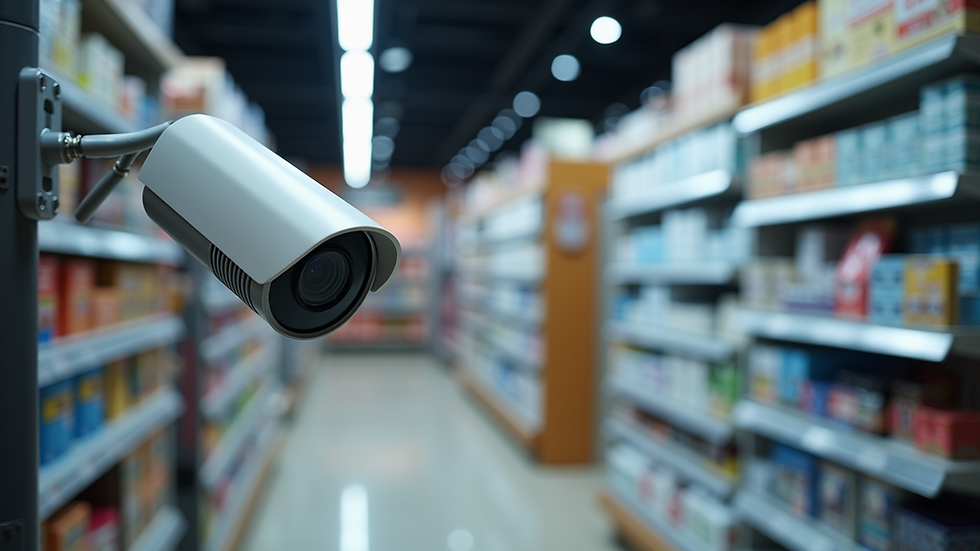
Surveillance systems are one of the most powerful deterrents against theft. High-definition cameras strategically located throughout the store can monitor activity and deter would-be shoplifters.
Best Practices for Surveillance
Placement: Cameras should be installed at all entry and exit points, as well as in vulnerable areas, particularly around high-value items such as electronics and designer clothing.
Visibility: Make cameras conspicuous. When customers know they’re being watched, it can discourage dishonest behavior.
Regular Maintenance: It's crucial to routinely check and upkeep the surveillance equipment to ensure everything functions as intended.
According to studies, stores with comprehensive surveillance systems experience a 15-30% reduction in theft incidents. This reflects the dual benefits of enhanced security and increased customer assurance.
Employing Trained Security Personnel
Having trained security personnel on the premises can significantly bolster the safety of a retail environment. Security staff serve not only as a deterrent to potential thieves but also as helpful resources for customers and employees during hectic times.
Key Roles of Security Personnel
Monitoring: Security personnel actively observe the store for suspicious activities and can intervene when required.
Customer Assistance: They assist customers in navigating the store by answering questions and helping locate items, which can enhance the overall shopping experience.
Emergency Response: Well-trained staff are prepared to handle emergencies, from theft incidents to medical situations, ensuring a swift and appropriate response.
Investing in skilled security personnel fosters a secure and supportive environment for both customers and employees, which is essential for building trust.
Utilizing Technology for Theft Prevention
Modern technology plays an essential role in retail security. Various tools can help thwart theft attempts and improve the overall shopping experience.
Effective Technological Solutions
Electronic Article Surveillance (EAS): These systems use tags or labels on merchandise that trigger alarms if items are not paid for before leaving the store. Retailers using EAS have reported up to a 40% reduction in theft.
Mobile Security Apps: Retailers can leverage mobile applications that facilitate real-time communication among staff about suspicious activities, providing immediate assistance where needed.
Data Analytics: By analyzing sales and foot traffic data, retailers can identify theft patterns and adjust security practices proactively. A study found that targeted interventions based on data analysis can lead to a 25% decrease in shrink.
Integrating technology into security strategies allows retailers to maintain a dynamic response to theft and enhances the shopping atmosphere.
Creating a Welcoming Atmosphere
While security is critical, it remains equally important to foster a warm and inviting environment for customers. A positive atmosphere can deter theft by encouraging greater shopper engagement.
Strategies for a Welcoming Environment
Store Layout: Design the store for visibility, with open spaces and clear sightlines. This layout helps staff monitor shopper behavior more effectively.
Customer Engagement: Train staff to proactively engage with customers, helping them feel valued. A smile or friendly assistance can enhance their experience and reduce the chance of theft.
Clear Signage: Display clear signage that communicates store policies and security efforts. Transparency in security measures can make customers feel more secure.
When customers feel welcome and cared for, they are less likely to commit theft, creating a win-win situation for retailers.
Training Staff on Security Protocols
Training employees on security protocols is a vital part of any retail security strategy. Staff should be equipped to handle a variety of situations confidently and professionally.
Essential Training Topics
Recognizing Suspicious Behavior: Employees need to identify signs of potential theft, from nervous behavior to unusual shopping patterns.
Emergency Procedures: Staff must be well-versed in emergency procedures, including how to handle incidents of theft or violence.
Customer Service Skills: Emphasizing customer service through training can lead to more engaged employees, who can positively influence the shopping environment.
Equipping staff with the necessary knowledge empowers them to contribute actively to a secure and efficient shopping experience.
Building Customer Trust Through Transparency
Transparency is crucial for fostering customer trust. Retailers should openly communicate their security measures and how they protect their customers and their property.
Ways to Foster Transparency
Informative Signage: Use signs to inform customers about security start policies, like the presence of security cameras or trained personnel.
Customer Feedback: Encourage customers to share their thoughts on their shopping experiences and any security concerns. This can validate their feelings and improve service.
Community Engagement: Participating in local events helps retailers build a positive image and illustrates their commitment to community safety.
A transparent approach to security enhances customer trust and encourages loyalty, tailored to the community's values.
Enhancing Retail Security in Birmingham
Retail security in Birmingham is an ongoing commitment that combines technology, trained personnel, and an inviting atmosphere to minimize theft and boost customer trust. By implementing proven best practices such as strategic surveillance, skilled security staff, and open communication, retailers can create a safer environment that benefits everyone involved.
Investing in retail security is not merely about protecting goods but about building a community of trust and safety, so customers return excited for their next visit.


Comments